Majolica
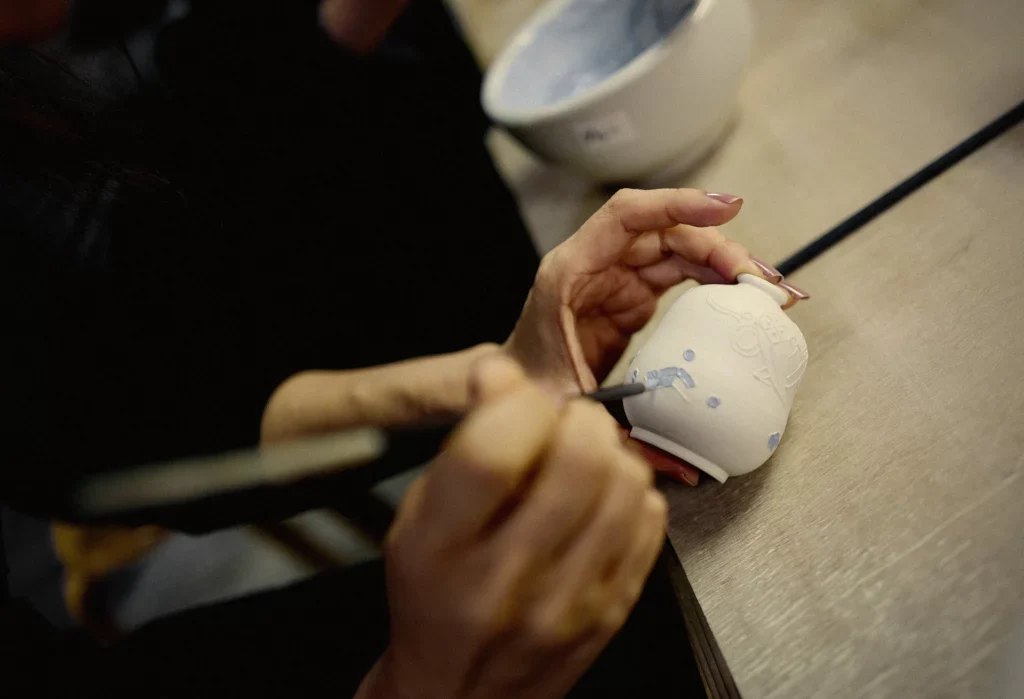
Majolica is a decoration technique that involves applying a layer of tin glaze, which creates a white background, and then adding colour to that unfired layer of glaze. This can be done with metal oxides or frittes.

Majolica is a decoration technique that involves applying a layer of tin glaze, which creates a white background, and then adding colour to that unfired layer of glaze. This can be done with metal oxides or frittes.

You may already be able to infer it from the name: faceting means shaping your piece that it becomes faceted.

This is a great option if you have leftover clay that needs using up or if you’re lacking glazing inspiration.
Mixing clay colours Read More »
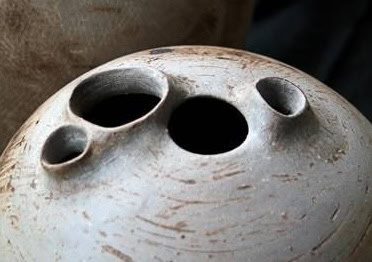
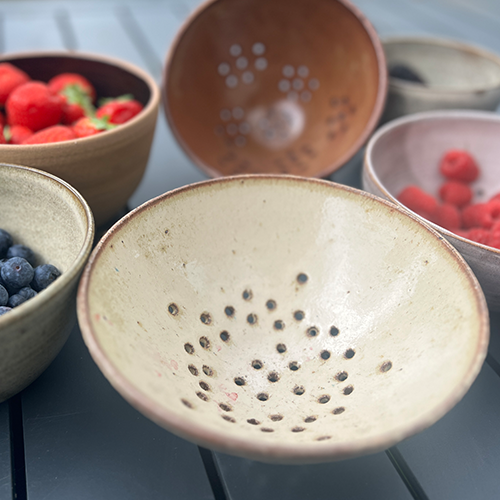
Bring light and air to clay using the perforating technique. Discover how openings in clay can add texture and poetry. Cutting, piercing or punching the clay creates a play of light and shadow, allowing your work to breathe and come alive.

The term ‘intarsia’ originates from woodworking. It is a technique whereby inlaid materials are incorporated into solid wood.
Intarsia, mishima or inlays Read More »
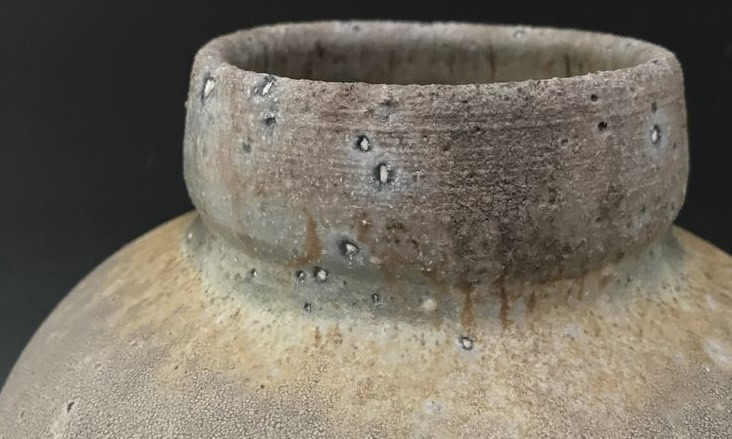
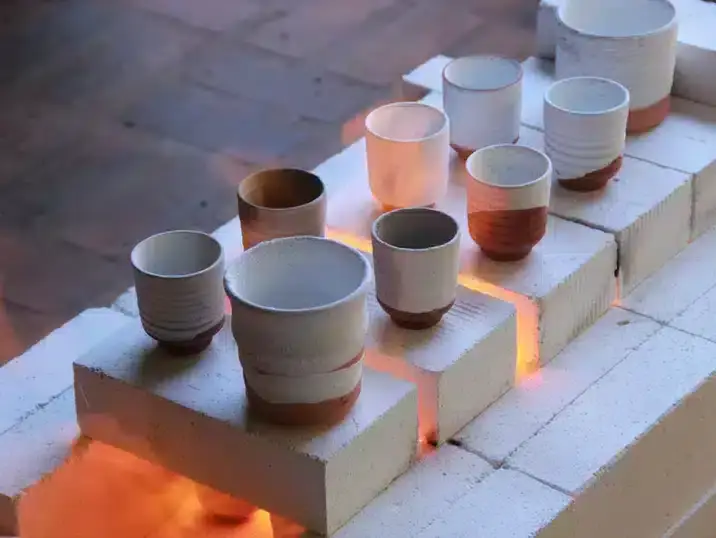
Discover the primal power of fire in ceramics using the anagama technique. Immerse yourself in an ancient Japanese tradition where fire, ash and time engage in an unpredictable and captivating dance. Every firing is an adventure, with the final form and appearance determined by the fire.
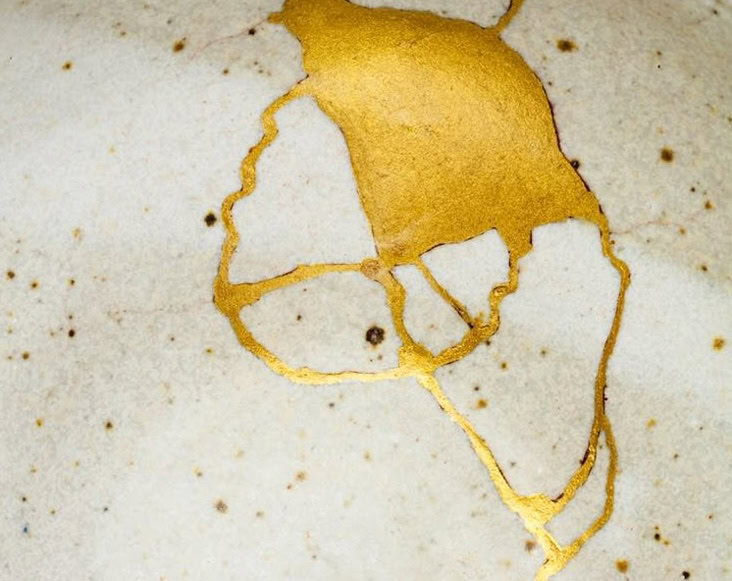
The kintsugi technique: The beauty of being broken. This Japanese art of repair transforms damage into something beautiful and meaningful by embracing fractures as valuable scars. It is a tribute to imperfection and the transformative power of repair.
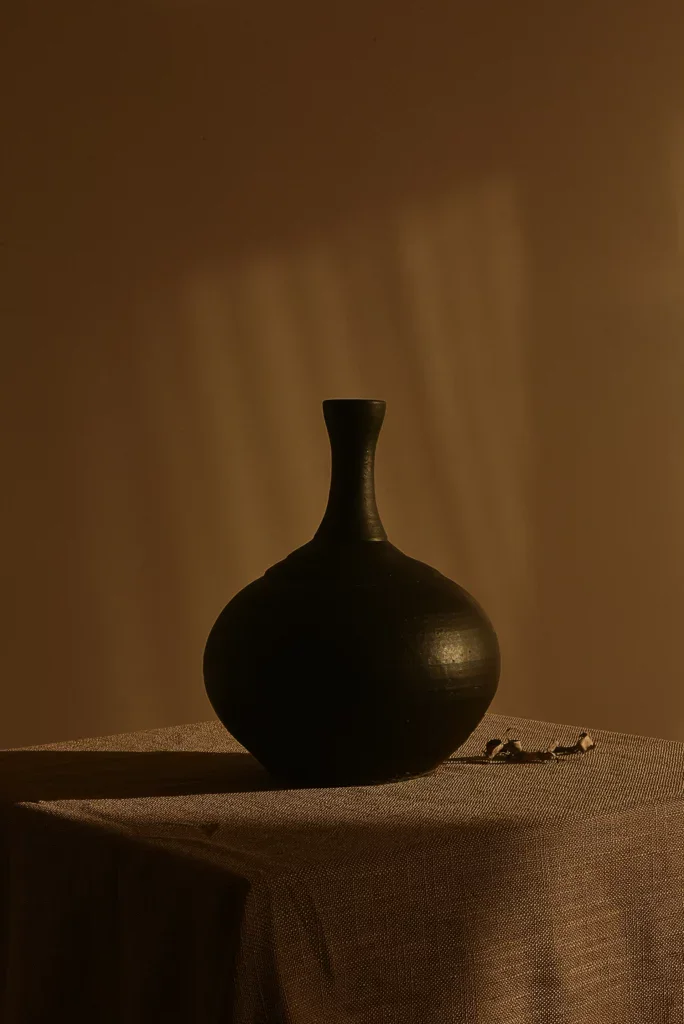
This shiny reddish earthenware, popular in Roman times, was given the name ‘terra sigillata’, literally meaning ‘stamped earth’.